Select a style from the list above to see products in that style. You can also browse by use.
Mid 1700's. Chippendale brasses get their name from the work of English cabinet maker Thomas Chippendale. His new designs are documented thoroughly in his book A Gentleman and Cabinet Maker's Directory (1754). Our Chippendale brasses are exact copies of early American originals with authentic details such as beveled edges, post and nut fittings, and cast bails. Although Chippendale was English, the designs rapidly spread to the new world and our patterns are distinctly American in origin.
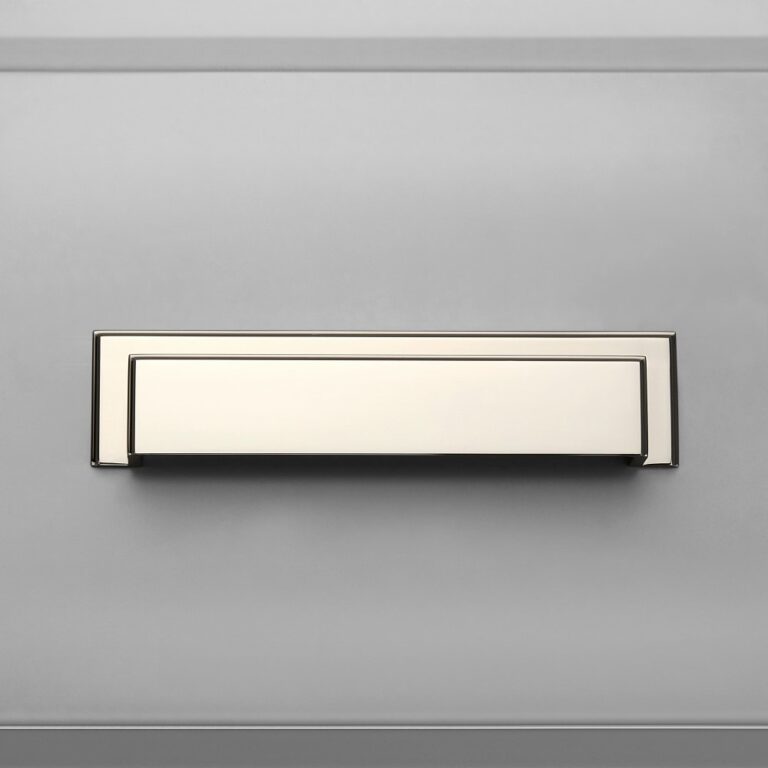
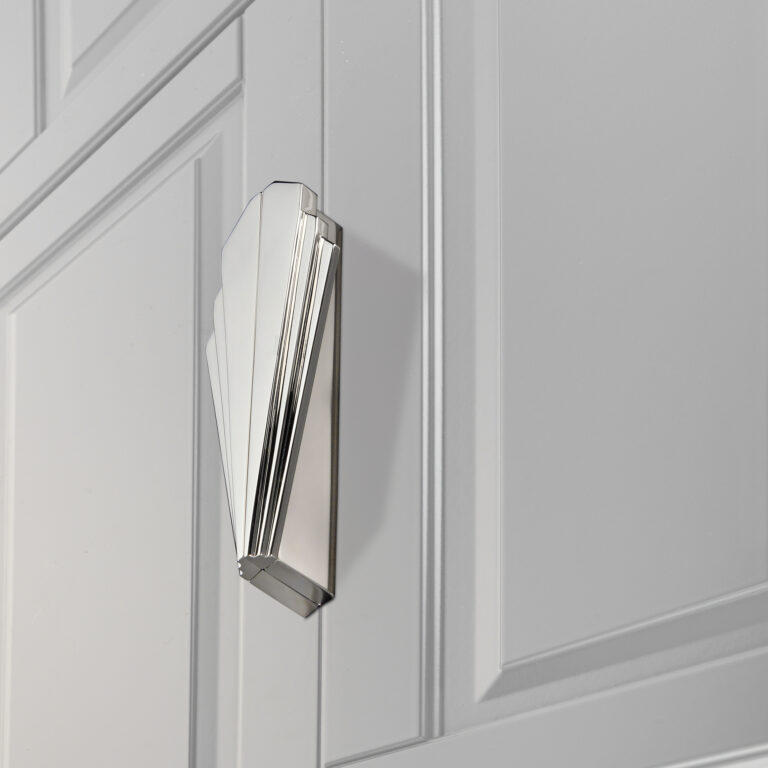
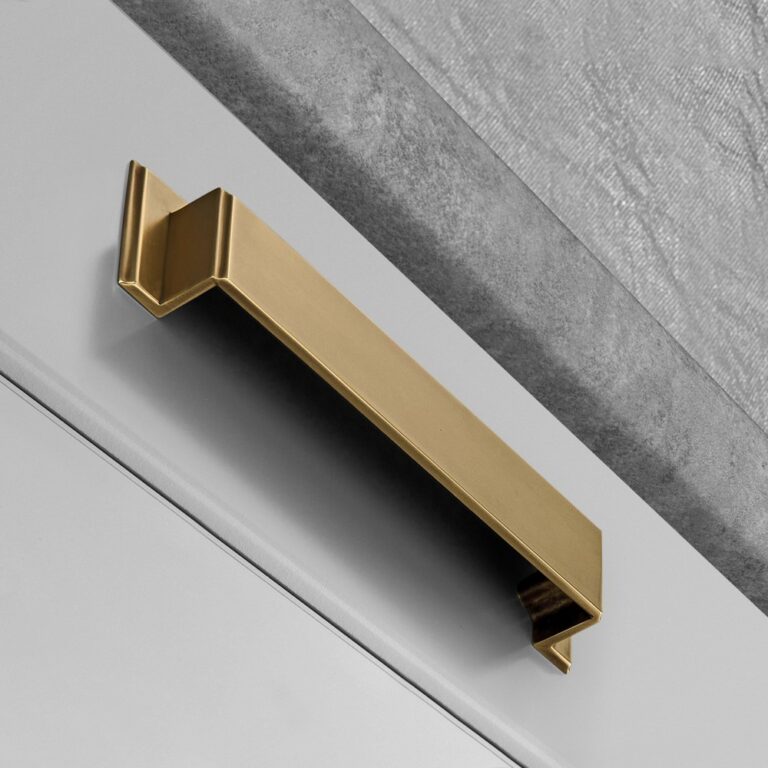
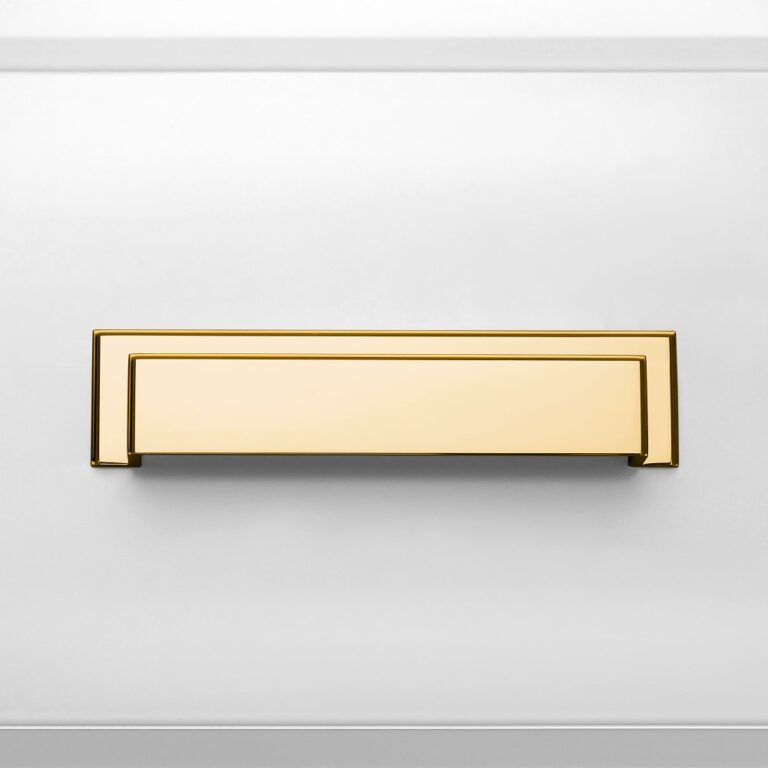
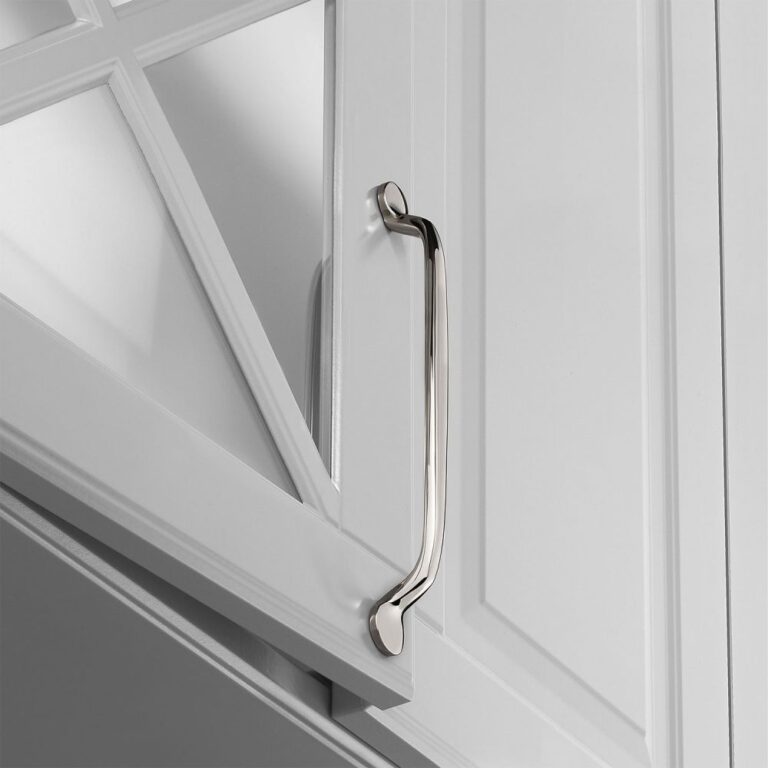
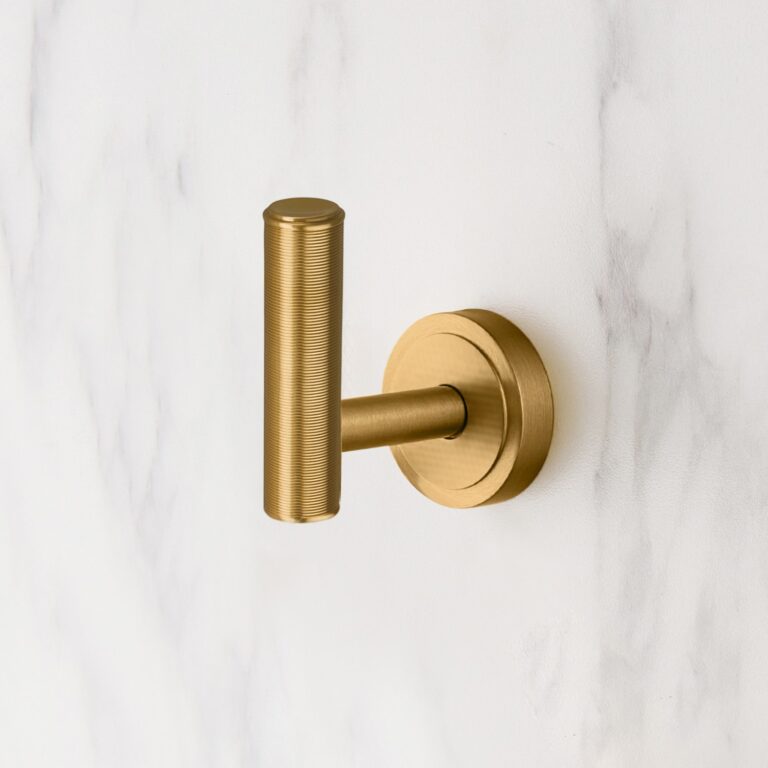
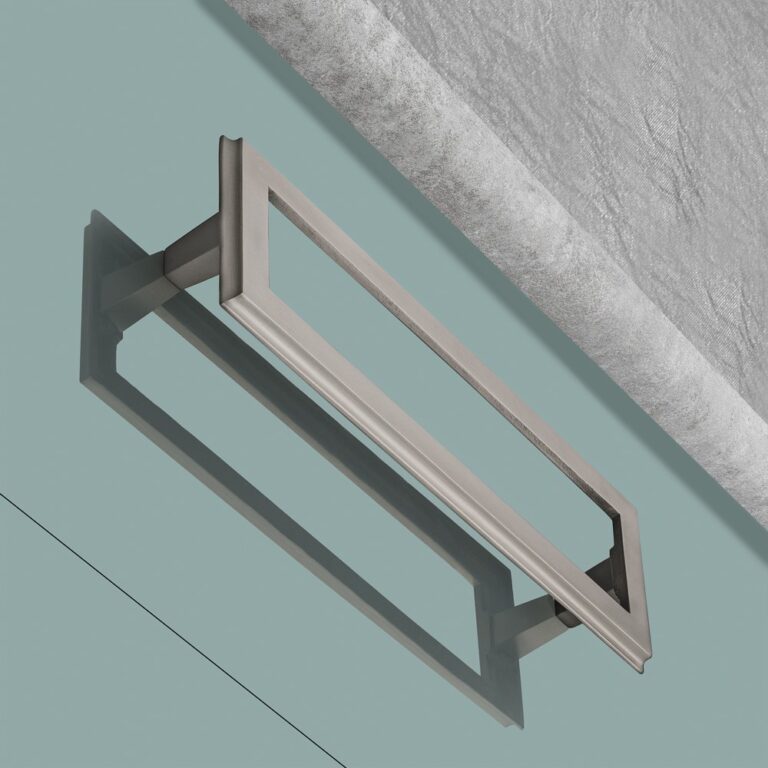
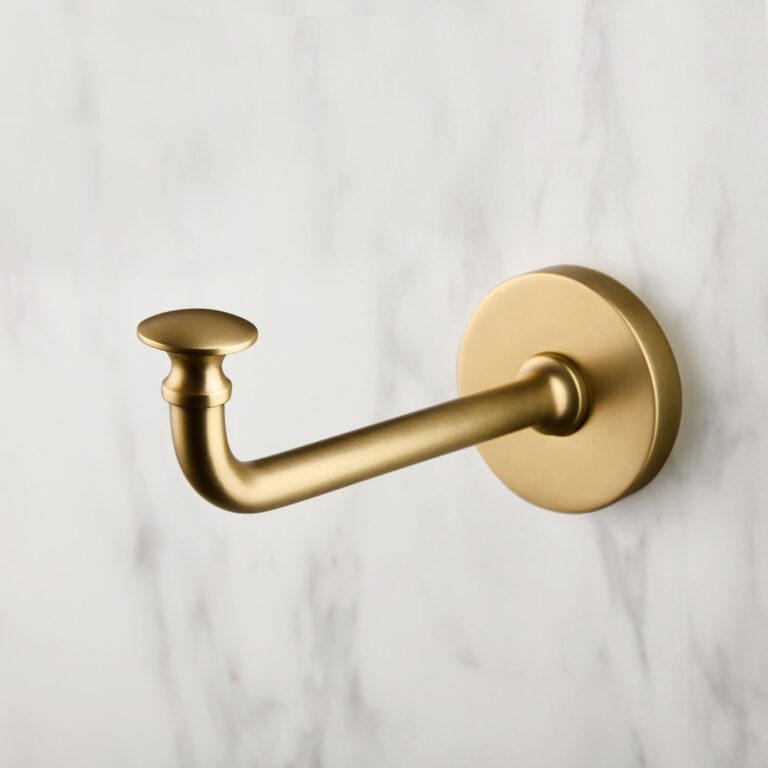
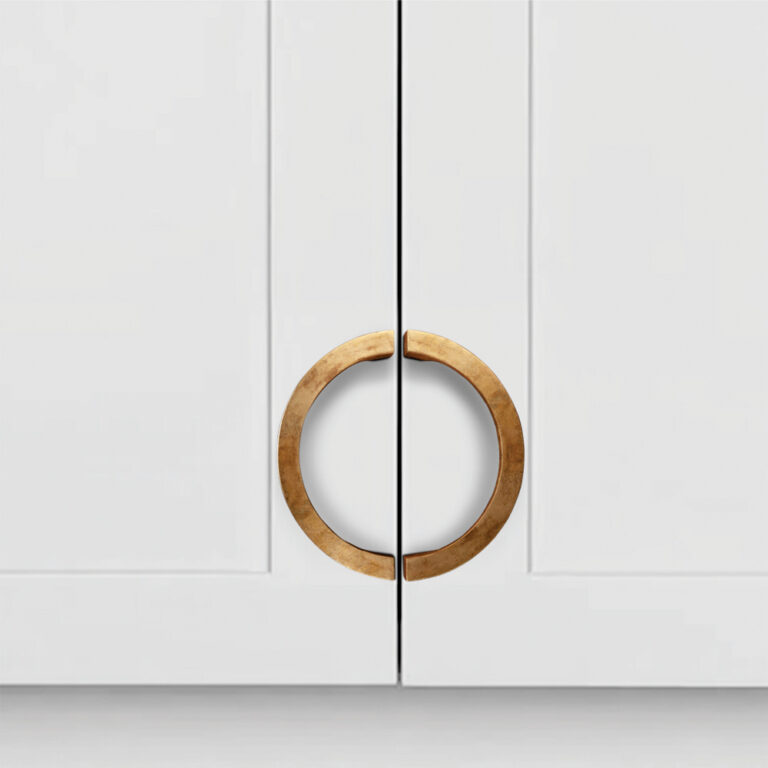
See All Chippendale Products ›A recent addition to our hardware selection, this luxurious brass cabinet hardware is made in the UK and compliments both traditional and modern cabinetry. This elegant hardware is like no other and will stand the test of time.
See All Classic English Products ›About 1780-1820. The Empire style evolved during the era of Napoleon Bonaparte. At the same time, very similar hardware was being developed in England (Regency), in the United States (Federal), and in Germany (Germany). Empire brasses are notable for their detailed patterns and stampings. Round and octagonal Empire ring pulls were widely used on both drawers and doors and retain their popularity today.
See All Empire Products ›Hardware produced in the colonies was often made of iron. The British did not allow brass to be shipped to the Colonies, requiring instead that we purchase all finished goods from English makers. Making brass hardware in America was strictly forbidden. Itinerant blacksmiths forged iron hardware in portable coal forges with a hammer and anvil. Our 7 smiths use exactly the same methods and copy original American patterns. Each piece is an original work of art and breathtakingly beautiful. We can make strap hinges for your barn or graceful pulls for your fine cabinetry. We stock hundreds of authentic handmade pieces and try to have ample stock for most projects. Do you have an idea you would like translated into iron? We are eager to make your idea reality, custom work is always welcomed.
See All Hand Forged Iron Products ›About 1727-1786. George Hepplewhite was a remarkable English furniture maker. His light, airy designs changed the direction of furniture making. American furniture makers quickly adopted his ideas and added exquisite inlays and veneering to their designs. Delicate oval brasses were central to the completion of a piece. The patterns we use today are exact copies of antique American originals—the themes are very much in keeping with the birth of our nation. You will see eagles, revolutionary themes like cannons and flags, and harvest motifs like wheat, fruit, representing the bounty of the New World.
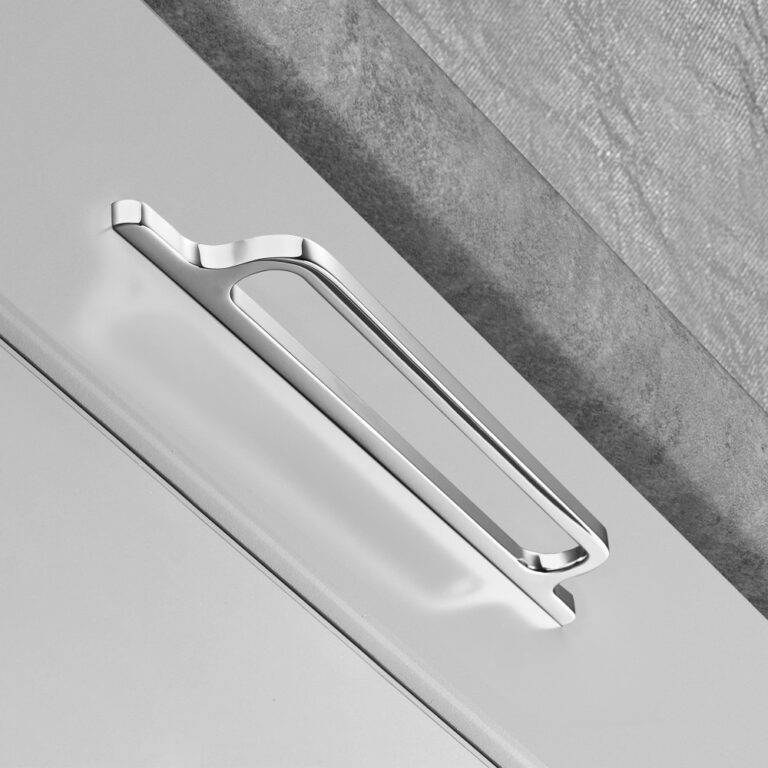
See All Hepplewhite Products ›Often called English Arts & Crafts, these pulls are beautiful crafted copies of designs created by renowned Scottish architect Charles Rennie Mackintosh. Each is piece is a heavy solid sand cast work of art. Suitable for Arts & Crafts, Asian, and modern furniture and cabinetry, these pulls are produced in England by one of the original hardware makers.
See All Mackintosh Products ›1890-1915. Inspired by the American Arts & Crafts movement of the early 20th century, this hardware stays true to the principles of the period yet is completely original. The Arts & Crafts Movement was a dramatic response to the heavily ornamented Victorian period and features clean, simple, hammered brasses, usually darkened to near black finishes.
See All Mission / Arts & Crafts Products ›Rosette pulls are classic. In one form or another they can be found as far back as the 1600's. Rosettes went in and out of style throughout the 17th, 18th, and 19th centuries. On some period originals you would find deocrative plate pulls on the upper drawers and rosettes on the lower drawers, on others there would be rosettes everywhere. Simple and elegant, rosettes work great just about anywhere. They are particularly useful on serpentine drawer fronts because the small plates allow them to easily accommodate even the largest curves.
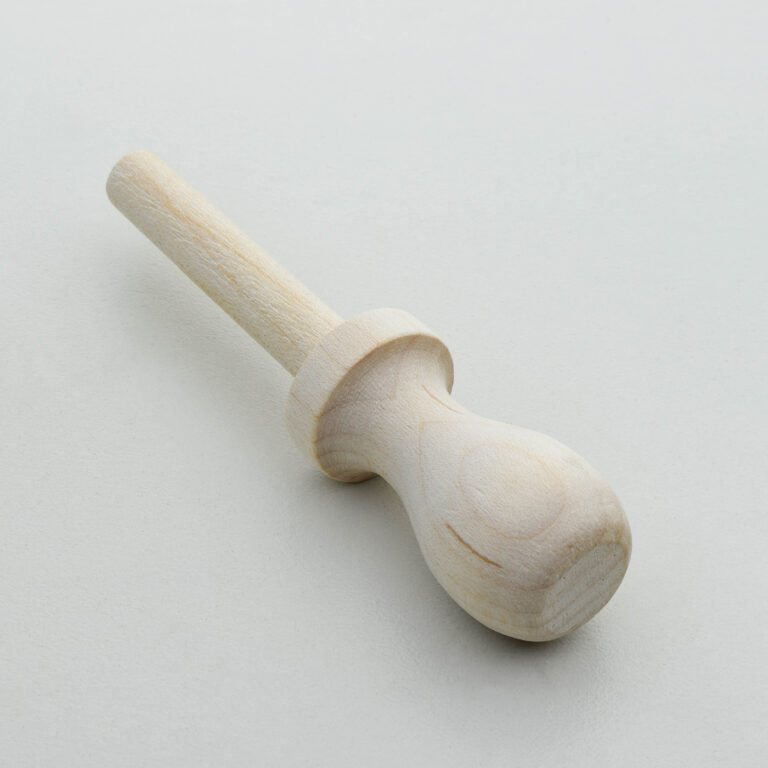
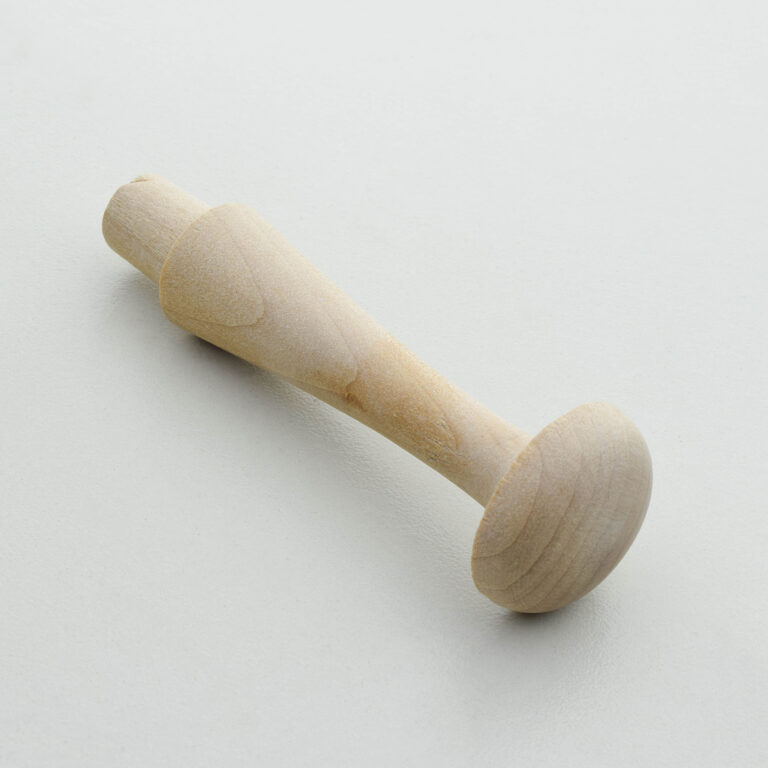
See All Rosette Products ›The Shakers were a religious community originally from England that found refuge in the United States. While much can be said about their beliefs and particularly their institutionalized empowerment of women, it is their cultural legacy that remains. Their furniture style continues to be very popular today. The Shaker emphasis on clean lines and minimal adornment remains popular. The Shakers favored hardware they could easily produce. Simple turned wood knobs in many sizes and woods demonstrate the essence of Shaker style—we offer a number of different Shaker knobs suitable for cabinetry and furniture.
See All Shaker Products ›Thomas Sheraton, George Hepplewhite and Thomas Chippendale are The Big Three in 18th century design. Sheraton knobs embody these new styles, and many are used on Hepplewhite furnishings. Also known as Federal brasses, Sheraton knobs are stamped, hollow knobs formed around a conical base. The complexity of a stamped face can be stunning and Sheraton's designs celebrated the ability of fine tool makers to carve minute detail in steel and then press that detail into soft brass. My great grandfather made many of our tools and his ability to carve in steel was legendary. He was not an inventor, instead he faithfully duplicated antique originals. Today we find our customers blending the old with the new in very creative ways--and as a result, we now offer Sheraton knobs with nickel finishes.
See All Sheraton Products ›1860-1895. The Victorian era took the decorative arts by storm. Characterized by intense ornamentation, the furniture along with its hardware is unique and has a special place in history. It was the first furniture to be truly mass produced and that process was not entirely successful. Some Victorian antiques held up well, but others, well didn't withstand the test of time. The hardware designs, while decorative and curious, failed frequently. The brass was too thin, the internal parts were not reinforced and collapsed or crushed with use. Our designs duplicate the originals for the most part, but we have tried to make improvements. We choose not to reproduce hardware designs that were fatally flawed and use thicker materials and reinforced designs to provide you with Victorian hardware that will last.
See All Victorian Products ›1690-1730. William & Mary were the monarchs of England from 1689 to 1702. The furniture style of their time was Jacobean. Previous to this period hardware was typically iron. During their realm, brass became the metal of choice. Queen Anne became Queen of England, Scotland and Ireland in 1702. During this period hardware was either very plain or had hand chased patterns on each plate. Simple brass pulls were decorated by hand scribing images on the plate directly. These chased patterns tended to have floral or natural themes. The designs on our plates were hand chased by my great-grandfather originally, 4 generations of Hortons have contributed to Horton Brasses' heritage of keeping this very early art form alive.
See All William & Mary / Queen Anne Products ›Horton Brasses produces more than 1,000 different pieces of authentic reproduction furniture and cabinet hardware at our factory in Connecticut. We use brass, iron, and various hardwoods to make knobs, drawer pulls, hinges, shelf pegs, bed bolts, casters, hooks and even clock finials!
If you have ordered with an account on our website before, you can log in to view your order history.
Horton Brasses Inc., 49 Nooks Hill Road, Cromwell CT 06416, 800-754-9127